Practical information Panama
Planning a trip to Panama raises specific questions that our team based in the capital answers every day. On the administrative side, French nationals do not need a visa for a tourist stay of 180 days, but the passport must be valid for at least 3 months after the return date and the airline sometimes requires proof of an outbound ticket. On the health side, no vaccination is mandatory unless you are arriving from a country at risk of yellow fever, but we recommend updating DTP, hepatitis A and typhoid, as well as antimalarial treatment if you plan to visit Darién or certain areas of Guna Yala. On the budget side, expect 90 to 160 USD per day and per person excluding international flights for mid-range travel, knowing that the US dollar circulates alongside the balboa at a fixed rate of 1:1. The climate is divided into dry season (mid-December to mid-April) and green season (May to November), with regional particularities that Sophie details in the climate section. Transport combines domestic flights (Air Panama, 80 to 150 USD), comfortable intercity buses, car rental for Chiriquí and Azuero, and lanchas for the archipelagos. The country is generally safe, with usual urban precautions in Panama City and avoidance of the Colombian border outside supervised tourist areas. You will find in the fact sheets below the practical details of each of these points.
Plan your trip by theme
Explore our practical guides organized by category to quickly find the information you need.
Before You Go
Valid passport 3 months after return, no visa for 180 days, travel insurance, exit ticket sometimes required at boarding.
Budget
US dollar and balboa at 1:1 parity, budget 90 to 160 USD/day/person, cards accepted in the city, 10% tips at restaurants.
Climate Season
Dry season December-April on the Pacific side, green season May-November, Caribbean rainy almost year-round except September-October.
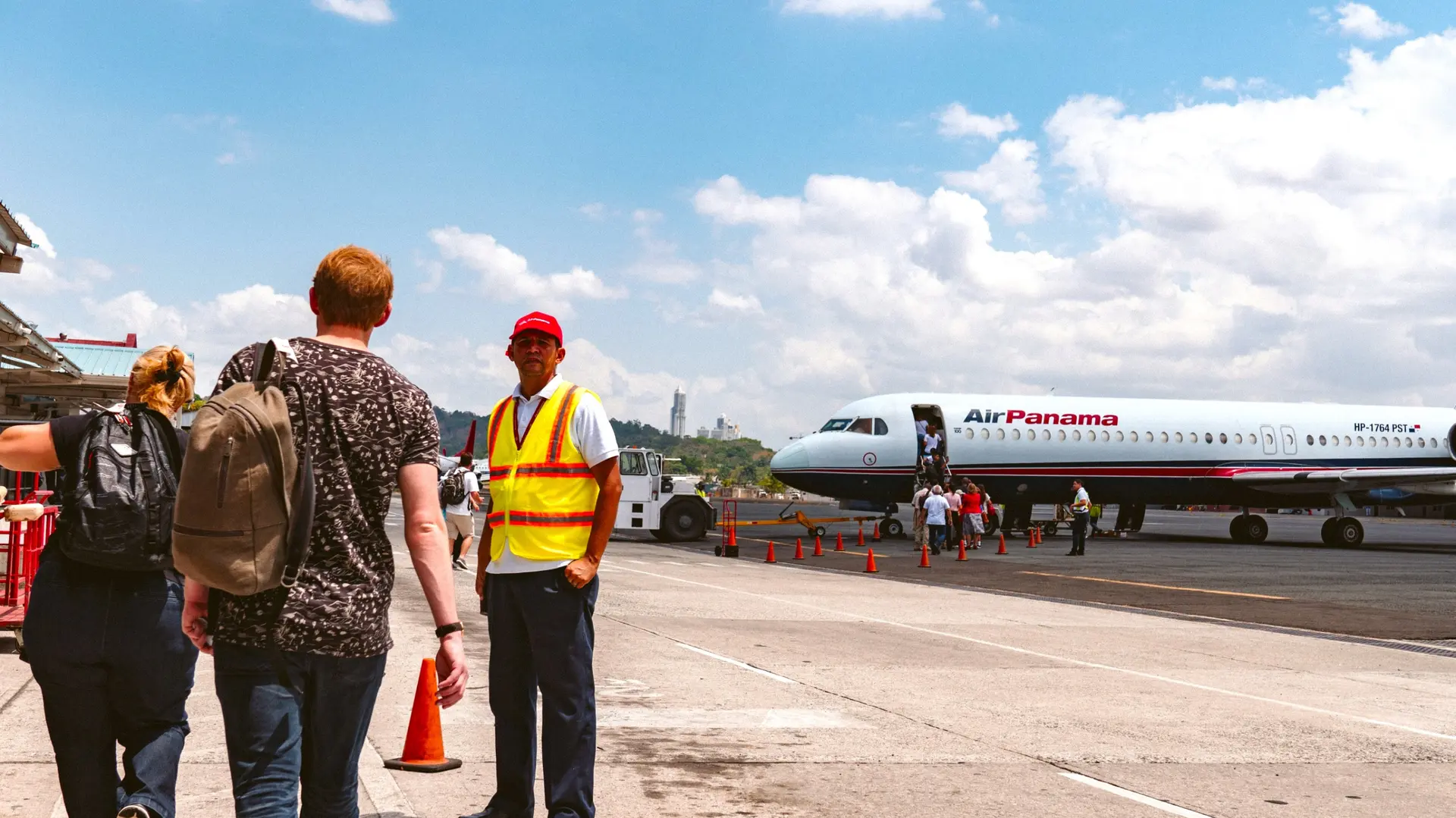
Transports
Air Panama domestic flights, air-conditioned intercity buses, 4x4 essential for Azuero and Chiriquí, boats mandatory for San Blas and Bocas.
Culture
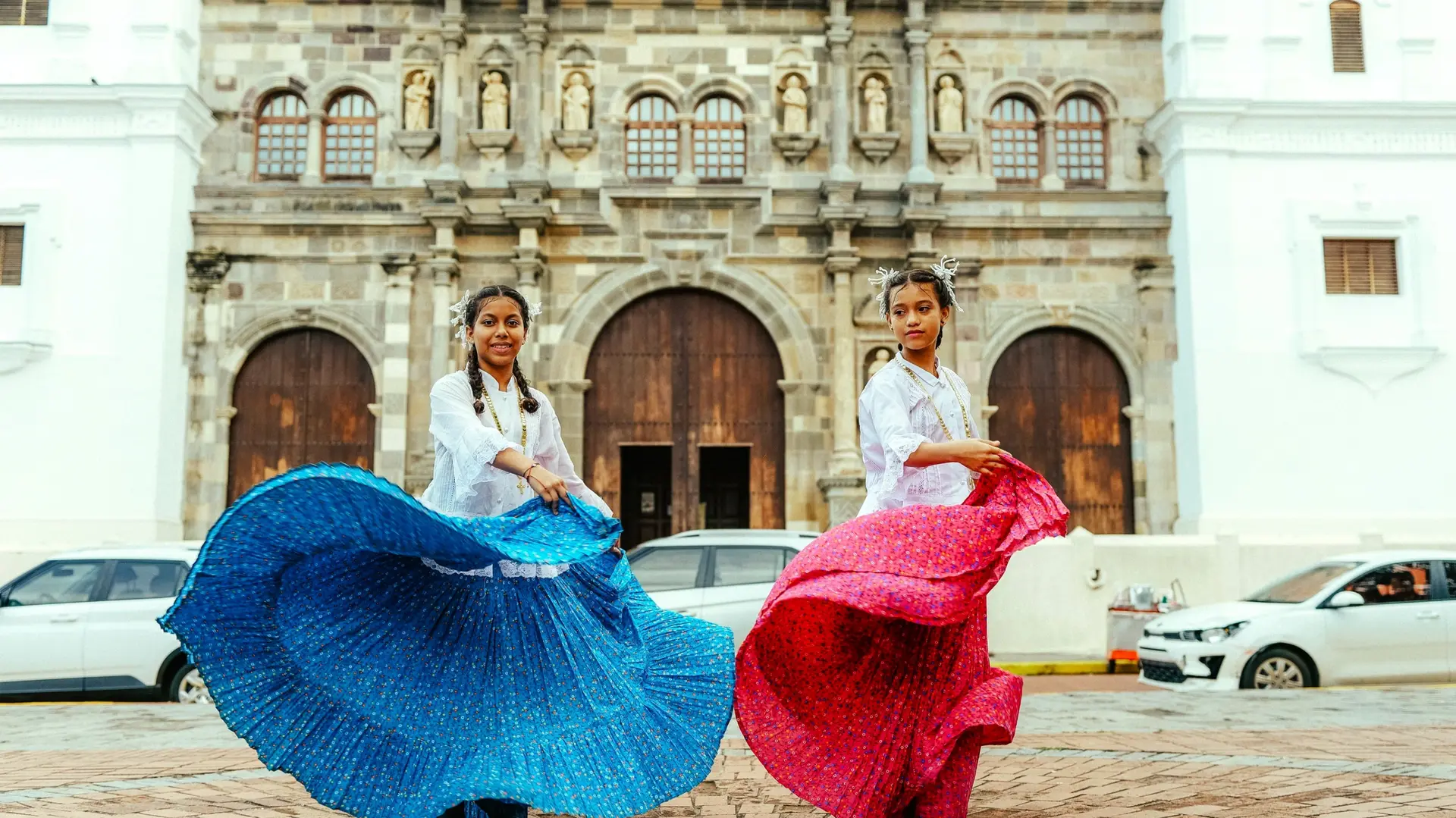
Seven indigenous peoples, handshake greeting, casual dress code, strict respect of rules in the Guna Yala comarca.
Useful Tips
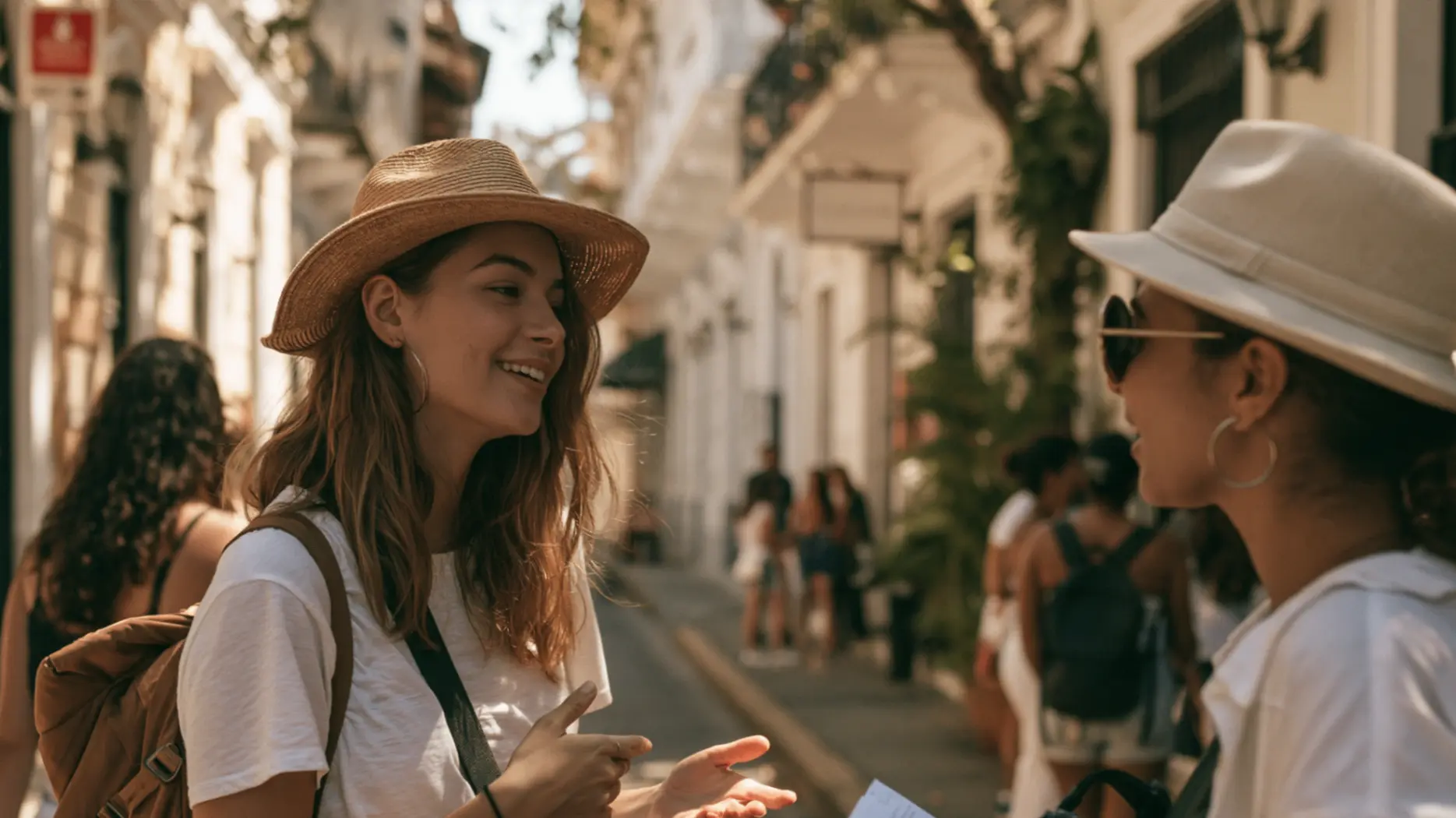
Tap water safe to drink in the capital, type A/B plugs 110V, mobile coverage good except in Darién, standard urban safety.
All practical guides
Search and filter among 0 articles
No articles match your criteria.
Frequently asked questions
The answers to the most frequently asked questions from our travellers.
French, Belgian, and Swiss nationals do not need a visa for tourist stays in Panama. Upon arrival at Tocumen airport, you receive a stamp authorizing a 180-day stay, which easily covers standard trips. Three conditions are checked: a passport valid for at least 3 months after your planned return date, proof of financial means (rarely requested, but theoretically USD 500), and an onward ticket out of the country. This last point is important: some airlines refuse boarding without a return or connecting flight ticket. If you plan to travel to Colombia by land, arrange a flexible reservation. No prior formalities are required before departure.
No vaccines are mandatory to enter Panama if you arrive directly from Europe. Yellow fever becomes required only if you transit through an endemic country (Peru, Colombia, Brazil, certain African countries). We systematically recommend updating DTP-pertussis, hepatitis A, and typhoid. Hepatitis B and rabies should be discussed based on your profile and length of stay. Regarding malaria, the risk exists only in Darién and certain remote areas of Guna Yala and Bocas del Toro: preventive treatment (atovaquone-proguanil) is advised for these regions. Dengue circulates year-round, especially during the rainy season, and only an effective repellent can protect you from it. Consult an international vaccination center 4 to 6 weeks before departure.
Excluding international flights, budget 90 to 160 USD per day per person for a mid-range trip, keeping in mind that Panama is more expensive than its Central American neighbors. Main expenses: accommodation (60 to 120 USD for a double room in a charming hotel, 25 to 40 USD in a hostel), dining (8 to 15 USD for a local meal, 20 to 40 USD at a restaurant), internal transport (Air Panama flights 80 to 150 USD per leg), visits and activities (snorkeling in Bocas 35 USD, quetzal spotting in Boquete 50 USD). Guna Yala is sold as all-inclusive packages from 80 to 120 USD per day. A 14-day trip averages 1,800 to 2,500 USD per person on the ground, excluding flights and premium services.
The dry season runs from mid-December to mid-April on the Pacific slope and attracts the heaviest tourist activity, with temperatures ranging from 27 to 32°C and generally clear skies. This is the ideal period to combine Panama City, Azuero, Chiriquí, and Guna Yala. The green season (May to November) brings afternoon showers, often brief, but more exuberant nature and more affordable accommodation rates. Important note: the Caribbean coast (Bocas del Toro, Guna Yala) follows an inverse calendar and enjoys its best windows in September-October and February-March. Avoid November, the wettest month overall. To see the quetzal in Boquete, aim for January to May.
The country is small but the mountain range and archipelagos require combining several modes of transportation. Air Panama domestic flights connect Panama City to David (Chiriquí), Bocas del Toro and several points in Guna Yala in 50 minutes, for 80 to 150 USD per flight. Inter-city buses from the Albrook terminal are comfortable, air-conditioned and economical (David 18 USD in 7 hours). Car rental, ideally an SUV, is worthwhile for exploring Chiriquí, Azuero and the central coast at your own pace: main roads in good condition, proper signage. For Guna Yala and Bocas, final access is always by lancha (motorized canoe). In Panama City, Uber works very well and costs 3 to 8 USD per ride around town.
Panama is one of the safest countries in Central America for travelers, with political and economic stability superior to its neighbors. Panama City requires standard urban precautions: avoid El Chorrillo, Curundú and certain parts of San Miguelito, especially in the evening. Casco Viejo, Marbella and Costa del Este are safe day and night. Within the country, the main risk remains car thefts on isolated beaches and road accidents. The Colombian border in Darién is formally discouraged outside organized tours led by approved local operators. Indigenous comarcas are safe but require respect for specific rules that we explain before departure. Purchase travel insurance with repatriation coverage.
Ready to travel to in Panama?
Discover our tailor-made itineraries, designed by our local team. Each route adapts to your pace, your preferences and your travel season.
See our toursWe use cookies to improve your experience and measure our site's audience. You can choose what you accept. Learn more.