Chiriquí and Boquete
Western Panamanian highlands between 1,000 and 3,475 meters: Geisha coffee, Barú Volcano, cloud forests and Pacific gulf in a single province.
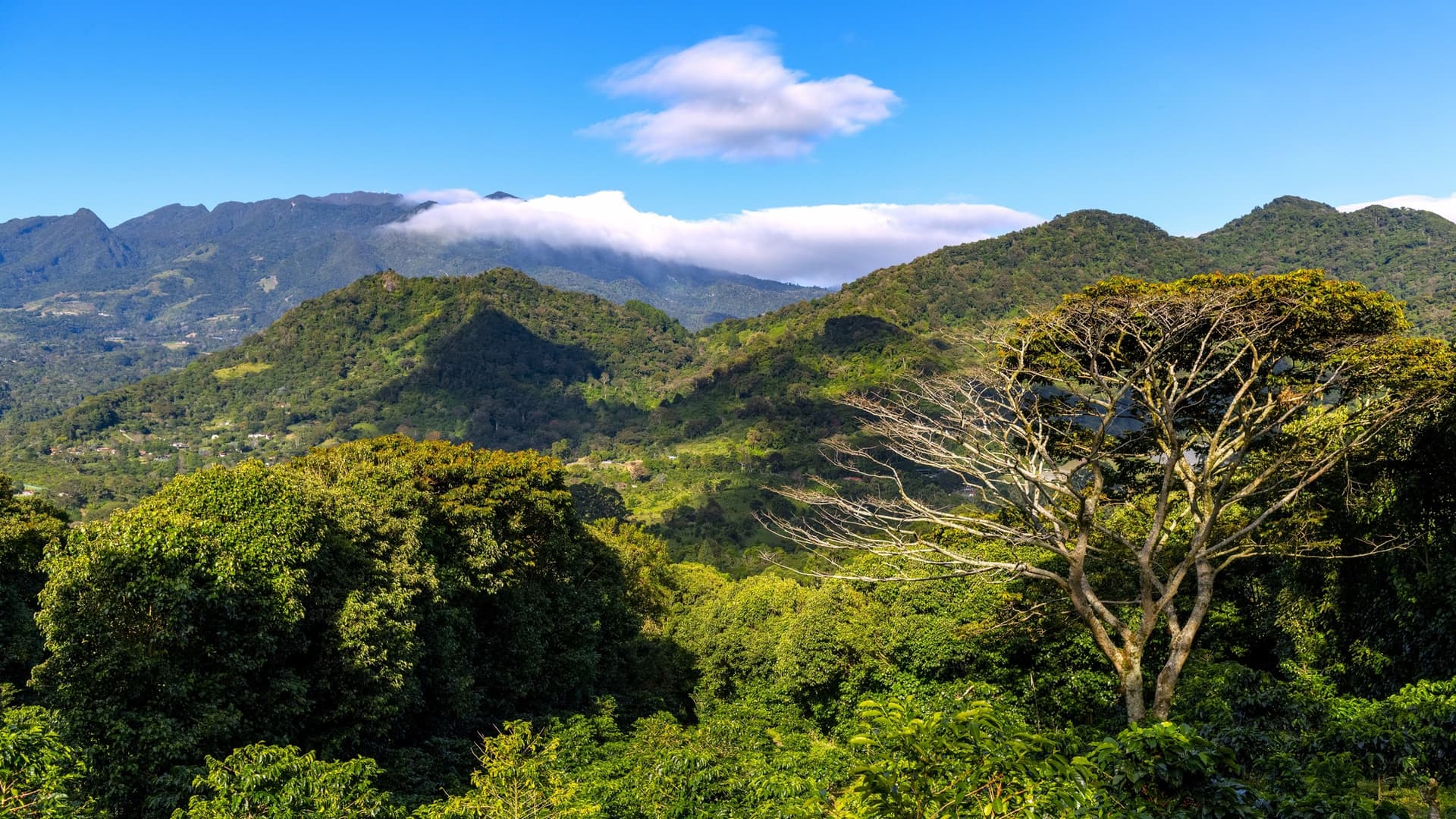
Chiriquí occupies Panama's far western reaches, bordering Costa Rica. The province stretches from Pacific beaches at Boca Chica to the foothills of the Talamanca cordillera, where Barú Volcano peaks at 3,475 meters. This vertical amplitude, across fewer than 80 kilometers as the crow flies, explains the landscape's diversity: mangroves of the gulf, cattle plains around David, coffee plantations above 1,200 meters, cloud forests from 1,800 meters onward, then high-altitude moorlands. Our team uses David, the provincial capital and only regional airport, as a logistics gateway.
Boquete is our operational base in the highlands. The village tiers along the Caldera River, between 1,100 and 1,300 meters, within a north-south oriented valley locals call Bajo Boquete. Temperatures oscillate between 15 and 22°C year-round, with a local phenomenon—the bajareque, a mist-like drizzle carried by Caribbean trade winds crossing the cordillera, gifting the region with near-daily rainbows between December and March. Nights require a fleece jacket. Higher up, at Volcán and Cerro Punta on Barú's western slope, temperatures regularly dip below 10°C during dry season.
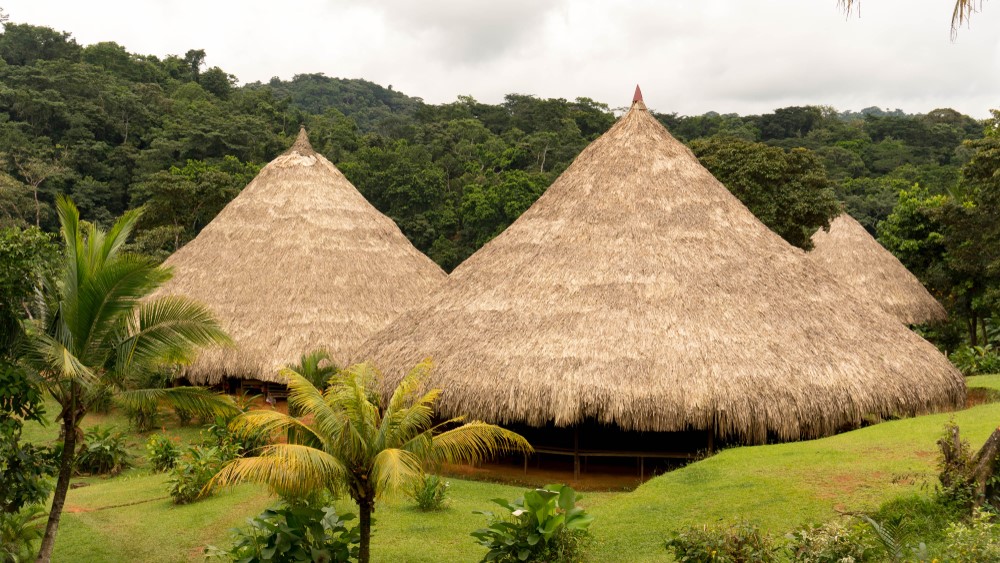
Coffee shapes the local economy. Estates in the zone—Lerida, Hartmann, Kotowa, Elida—have cultivated distinctive arabica varieties since the 1890s, their altitude microclimates lending character to the beans. Boquete's Geisha, rediscovered at Esmeralda estate in the 2000s, has fetched over $10,000 per kilogram at recent auctions. Plantation visits, with tastings, last two to three hours and cost $30 to $45 depending on the estate. Beyond the product itself, these domains employ seasonal Ngäbe-Buglé labor—the country's largest indigenous people, whose women wear the nagua, a hand-stitched triangular-patterned dress recognizable in David and Volcán markets.
Ascending Barú Volcano remains the region's signature feat. The summit takes six to seven hours from the western trail (Volcán) or via the service road from Boquete—13.5 kilometers and 1,800 meters of elevation gain. Our team organizes midnight departures to reach the crater at dawn: in clear skies between January and March, the Pacific and Caribbean Sea are simultaneously visible, a rare geographical occurrence due to the narrow isthmus. Descent takes four to five hours. For hikers preferring to avoid steep vertical effort, the Los Quetzales Trail connects Cerro Punta to Boquete over roughly 8 kilometers through forest at 2,000 meters, offering the best chances of spotting the resplendent quetzal during nesting season, January through May.
Beyond coffee and Barú, the province offers lesser-trodden terrain. To the south, Chiriquí Gulf and its marine park protect Boca Brava and Parida islands, where diving encounters spotted eagle rays and, between August and October, humpback whales from the southern hemisphere. To the northwest, the Cerro Punta valley supplies vegetables across much of the country: strawberries, salads and onions grow here at 2,000 meters in a landscape of vertical patchwork. Boquete's Flowers and Coffee Festival in January and David's San José Fair in March structure the local calendar and remain primarily frequented by Panamanians.
Must-see
Midnight ascent of Barú Volcano. Departure at midnight from Boquete to reach 3,475 meters at dawn. Clear skies during dry season reveal both oceans from the crater.
Geisha coffee estates. Three-hour visits to Lerida, Kotowa or Hartmann with comparative tastings. Understand hand-sorting processes and microclimates' role between 1,400 and 1,700 meters.
Los Quetzales Trail. Eight-kilometer traverse between Cerro Punta and Boquete through cloud forest at 2,000 meters. Resplendent quetzal observation January through May, primarily mornings.
Chiriquí Gulf and Secas Islands. Boat outings from Boca Chica to Isla Parida and the marine park. Diving with rays, and humpback whale passage August through October.
Ngäbe-Buglé markets in Volcán. Saturday mornings bring sales of nagua dresses, pita-fiber bags and Cerro Punta vegetables. Direct contact with highland indigenous communities.
When to visit
Dry season, late December through early April, remains the most reliable window for the highlands. Mornings are clear, ideal for Barú ascents and quetzal spotting, though nights dip to 8-10°C in Boquete and sometimes 5°C at Cerro Punta. The bajareque, mist carried by trade winds, persists between December and February without rendering hiking impossible. From May through November, rainy season brings late-afternoon showers, typically two to three hours, leaving mornings exploitable: this is also when coffee plants flower and vegetation grows densest.
October and November are months we advise against for Barú: persistent clouds, muddy trails, near-zero summit visibility. Conversely, Chiriquí Gulf is visitable year-round, with peak interest August through October for humpback whales, though these months coincide with the continent's heaviest rains. Expect 200 to 300 mm of monthly precipitation in Boquete June through October, against 40 to 80 mm January through March.
Practical advice
We recommend three to four nights on location to articulate highlands and coast: two nights in Boquete for coffee, a hike and possibly Barú, then one to two nights at Boca Chica or Boca Brava island for the marine component. A simple two-night stage suffices if the traveler focuses on Boquete without summiting. Access is via domestic flight Panama City—David, one hour, then 45 minutes by road to Boquete. The Pan-American Highway also connects David to the capital in six to seven hours.
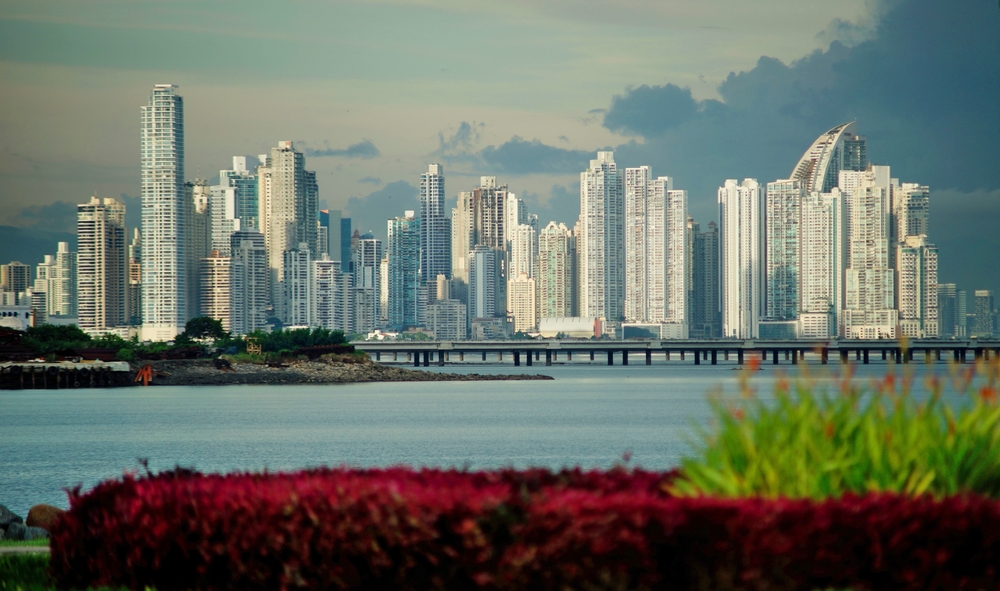
Chiriquí logically combines with Bocas del Toro, reachable in four hours by road and boat via Almirante, and serves as a restorative highland stop after Panama City and Canal heat. Pairing with Azuero Peninsula or Darién requires returning to the capital. Accommodation ranges from family lodges to charming estates, with a few upscale addresses around Boquete. The region suits hikers, coffee enthusiasts and nature lovers, families with teenagers capable of a day's hiking, and contemplative travelers who appreciate temperate climate at these latitudes.