Chagres National Park
Chagres National Park protects the watershed of the Río Chagres, vital to the Panama Canal's operation. Dense rainforest, dugout canoes, Emberá villages and tropical wildlife less than an hour from Panama City.
Chagres National Park spans more than 129,000 hectares between Colón and Panama provinces. It protects the Río Chagres watershed, a source of fresh water essential to the Panama Canal's functioning. Dense tropical forest, navigable rivers and Emberá villages make this park one of Central America's most strategically important natural spaces.
Quick facts at a glance
- Access: several entry points depending on the activity — Gamboa for river excursions, Cerro Azul for high-altitude hikes.
- Recommended duration: a full day minimum; two days to combine river and hiking.
- What to wear: lightweight, quick-drying clothing, waterproof shoes, insect repellent essential.
- Dry season: December to April — trails more accessible, river less turbulent.
What you'll see
The Río Chagres winds through the park beneath a closed canopy. By dugout canoe, you travel upstream toward Emberá villages, indigenous communities that maintain their artisanal and culinary traditions. Wildlife is abundant: toucans, howler monkeys, sloths, caimans and, more rarely, jaguars. Lake Alajuela, an artificial reservoir created by the Madden Dam, occupies the heart of the park.
History and context
The Río Chagres played a central role in Panamanian history long before the canal. Spanish conquistadors used it to transport Peruvian gold to Portobelo. In the 19th century, it served as an access route for California gold seekers. The park was established in 1985 specifically to protect this watershed, upon which the canal's water supply and Panama City depend.
Highlights of your visit
Dugout canoe excursion to Emberá villages
From Gamboa, motorized dugout canoes travel up the Chagres to Emberá communities. Residents offer demonstrations of traditional crafts (chunga baskets, jagua body paintings) and traditional meals featuring fish and plantain.
Hike to Madden Dam
Lake Alajuela, formed by Madden Dam, offers panoramic views of flooded forest. Trails around the lake allow observation of exceptional birdlife, particularly in early morning.
Wildlife watching at Gamboa
The town of Gamboa, at the park's edge, is an ideal starting point. Dawn is particularly rewarding here: howler monkeys, keel-billed toucans and giant kingfishers appear regularly.
Photography tips
Light in tropical rainforest is diffuse and changeable. Focus on the first two hours after sunrise for wildlife. In a canoe, protect your equipment from humidity with a waterproof bag — splashing is frequent. In Emberá villages: always ask permission before photographing residents.
Location and access
The park is accessible from Panama City in under an hour via the Transisthmic highway or the Gamboa road. Gamboa is the main entry point for river excursions. Cerro Azul, to the east, provides access to mountain trails. There is no direct public transport to the park entrances; a rental vehicle or organized excursion is recommended. Local agencies offer circuits combining dugout canoe, Emberá village and wildlife watching.
Nearby
- Fort San Lorenzo — UNESCO-listed Spanish fortress that guarded the mouth of the Chagres, about two hours to the northwest.
- Portobelo — former colonial city and Spanish gold port on the Caribbean coast, the historic starting point for convoys traveling up the Chagres.
- Gamboa — canal village at the park's edge, a logistics base for excursions and birdwatching.
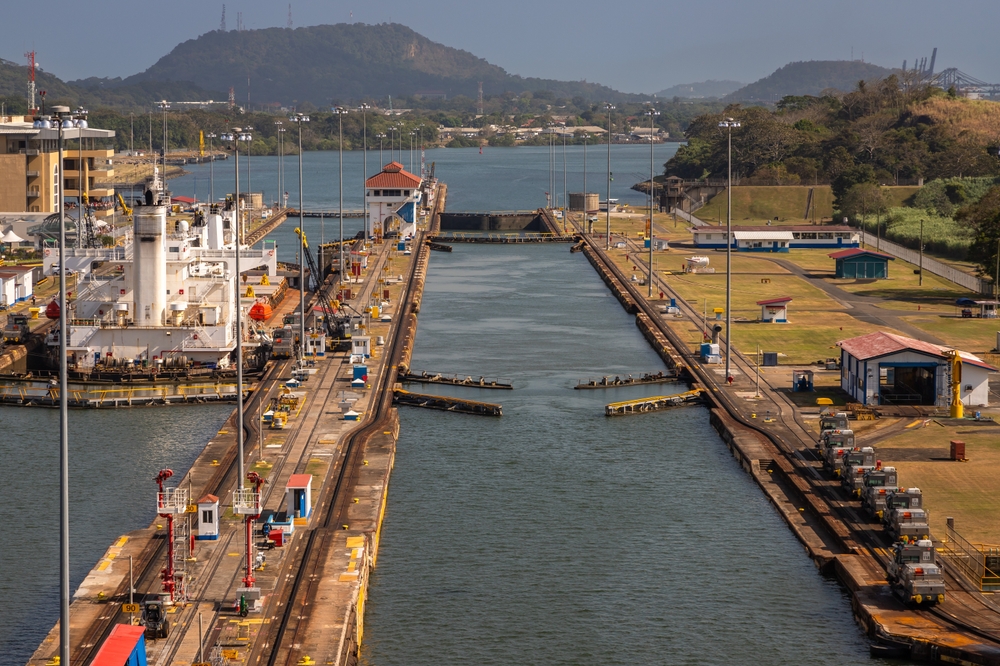
- Panama Canal — the Gatún locks, fed by Chagres waters, can be visited from the Atlantic coast.
Frequently asked questions
The dry season (December-April) makes trail access easier and navigation smoother. During the rainy season, the forest is lusher but some paths become muddy and the Río Chagres can rise quickly.
Some trails near Gamboa are accessible independently. For canoe excursions to Emberá villages or deep forest hikes, a local guide is strongly recommended for safety and navigation.
By car, Gamboa is about 45 minutes from Panama City's center. There is no direct bus; most visitors book through a local agency or rent a vehicle.
Yes, but the two sites are about two hours apart by road. It is more practical to devote a full day to each, or plan a two-day circuit on the Atlantic coast.
Mosquitoes are present year-round, particularly during the rainy season. DEET-based insect repellent is recommended. Consult a travel doctor before departure for vaccinations suited to Panama's tropical rainforest.
Interested in this visit?
We can include it in your personalised itinerary.